Avoiding Hamstring Injuries
Located in the back of the leg, the hamstring is made up of three muscles that connect at the pelvis and the lower leg. Injuries to the hamstring typically cause a sudden, sharp pain in the back of the thigh area and are most common in athletes who participate in sports heavy in running or powerful accelerations and decelerations.
Symptoms of a Hamstring Injury
Hamstring injury symptoms depend on the severity of the damage to the muscles. Mild symptoms include muscle stiffness, soreness, and tightness in the back of the thigh. While severe symptoms include pain even while resting that becomes worse with movement, noticeable swelling, and difficulty walking without assistance, the most recognizable severe symptom is intense pain when extending the knee.
Hamstring Injury Prevention
To safeguard your athletes from hamstring injuries, it is important to understand the possible causes of injury, such as poor flexibility, poor muscle strength, muscle fatigue, history of hamstring injuries, and overuse.
Preventing hamstring injuries starts with proper preparation. Athletes should warm up and stretch before a workout while also avoiding doing too much, too soon in their training. Stretching again after exercise is just as important, as it allows the muscles to loosen while they are still warm. To help reduce the risk of injury, incorporate the following hamstring strain prevention exercises into their workouts, developed by our team.
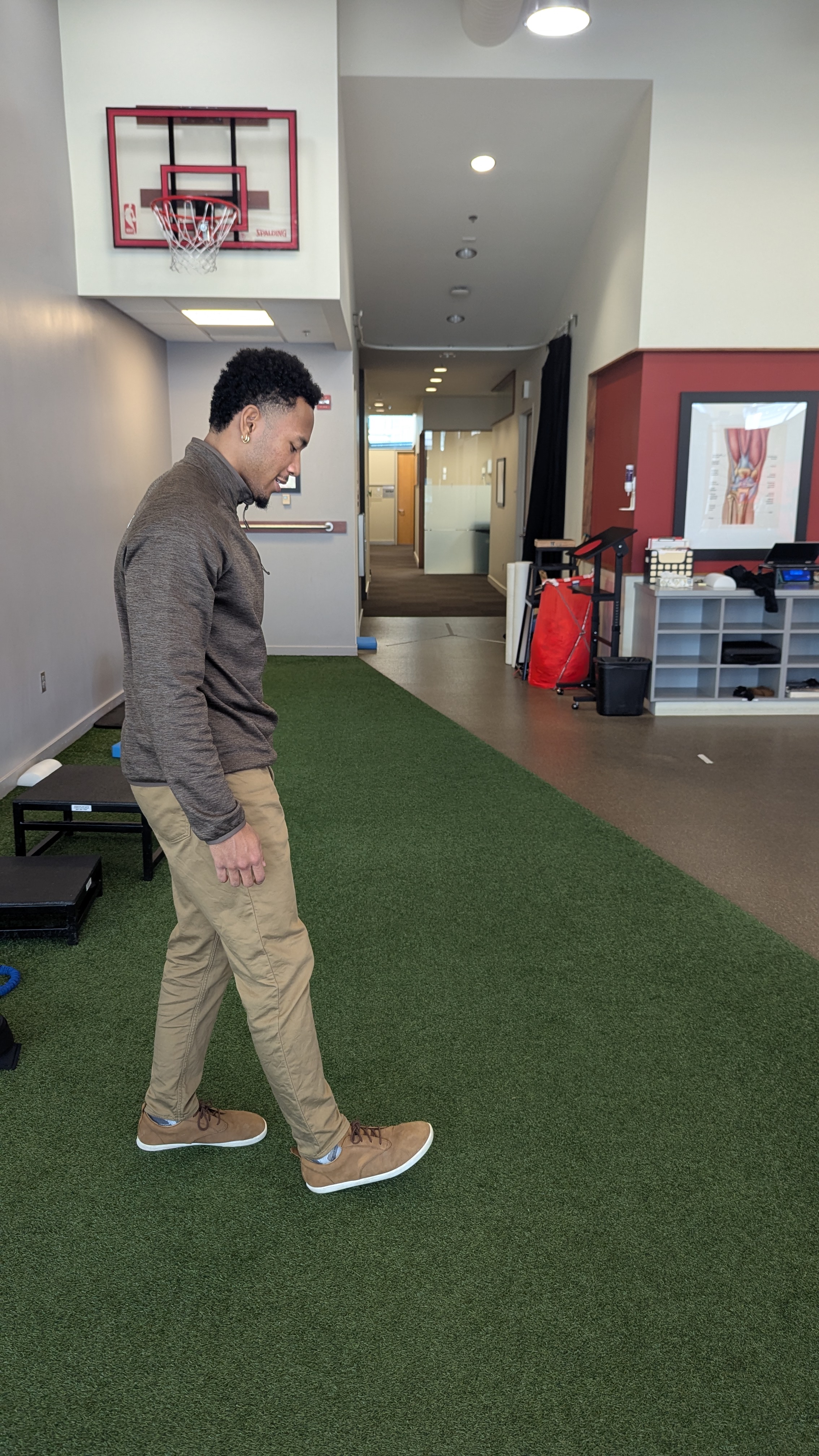
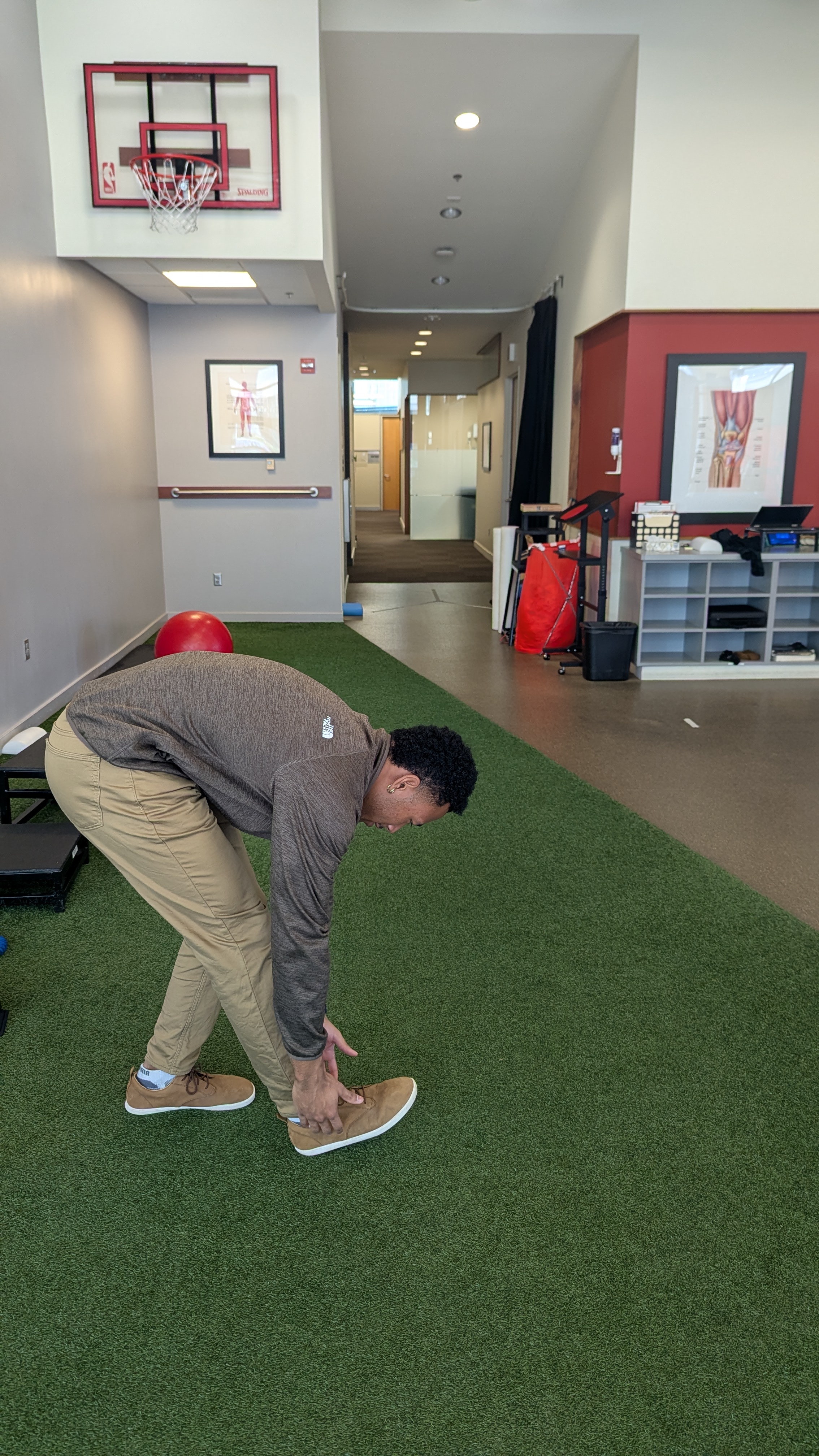
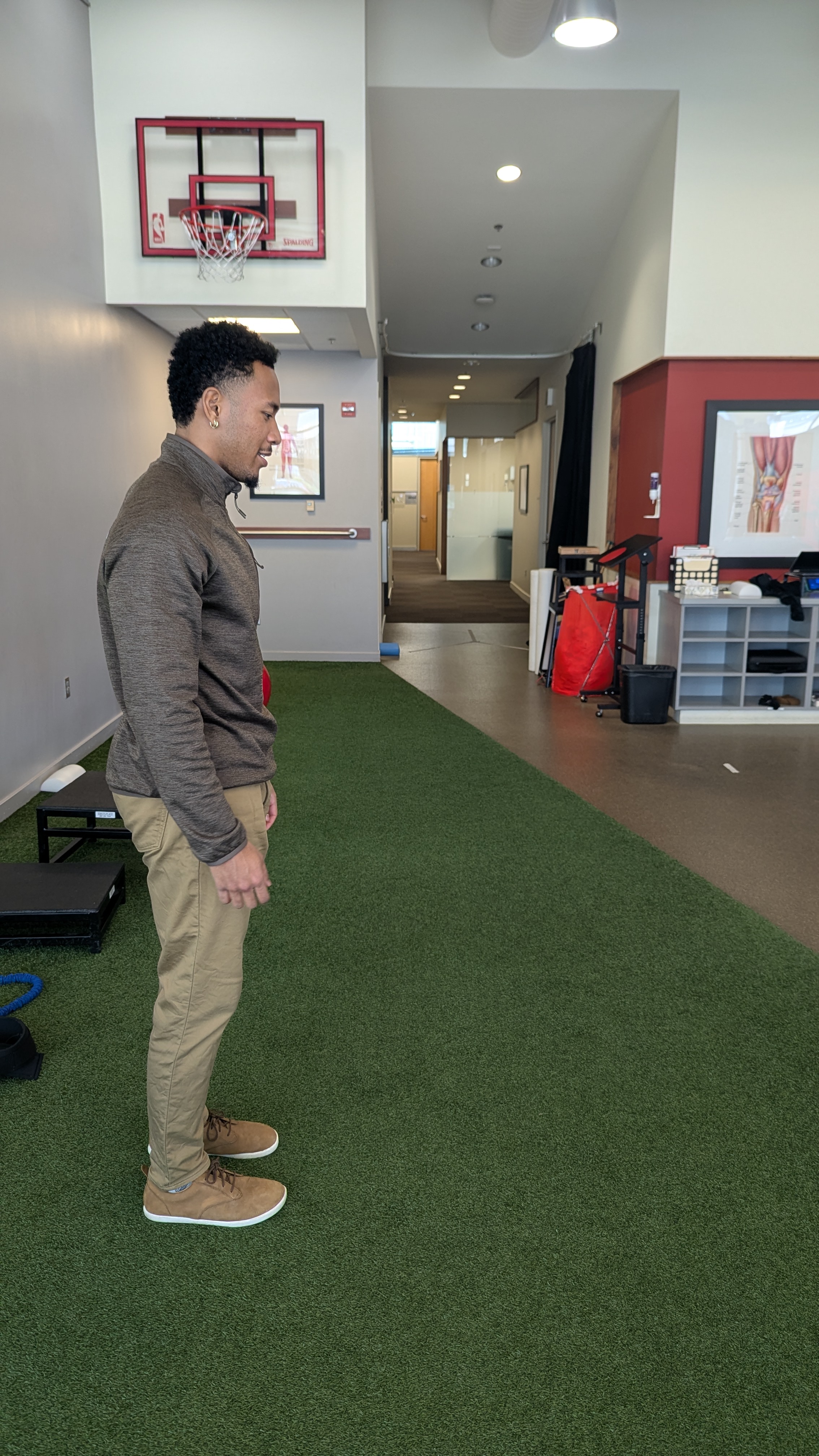
- Hamstring scoop walks (dynamic stretch): Place one foot out in front, then reach down and “scoop” the arms forward while stepping through before returning to an upright position. Repeat 7 – 10 times on each side.
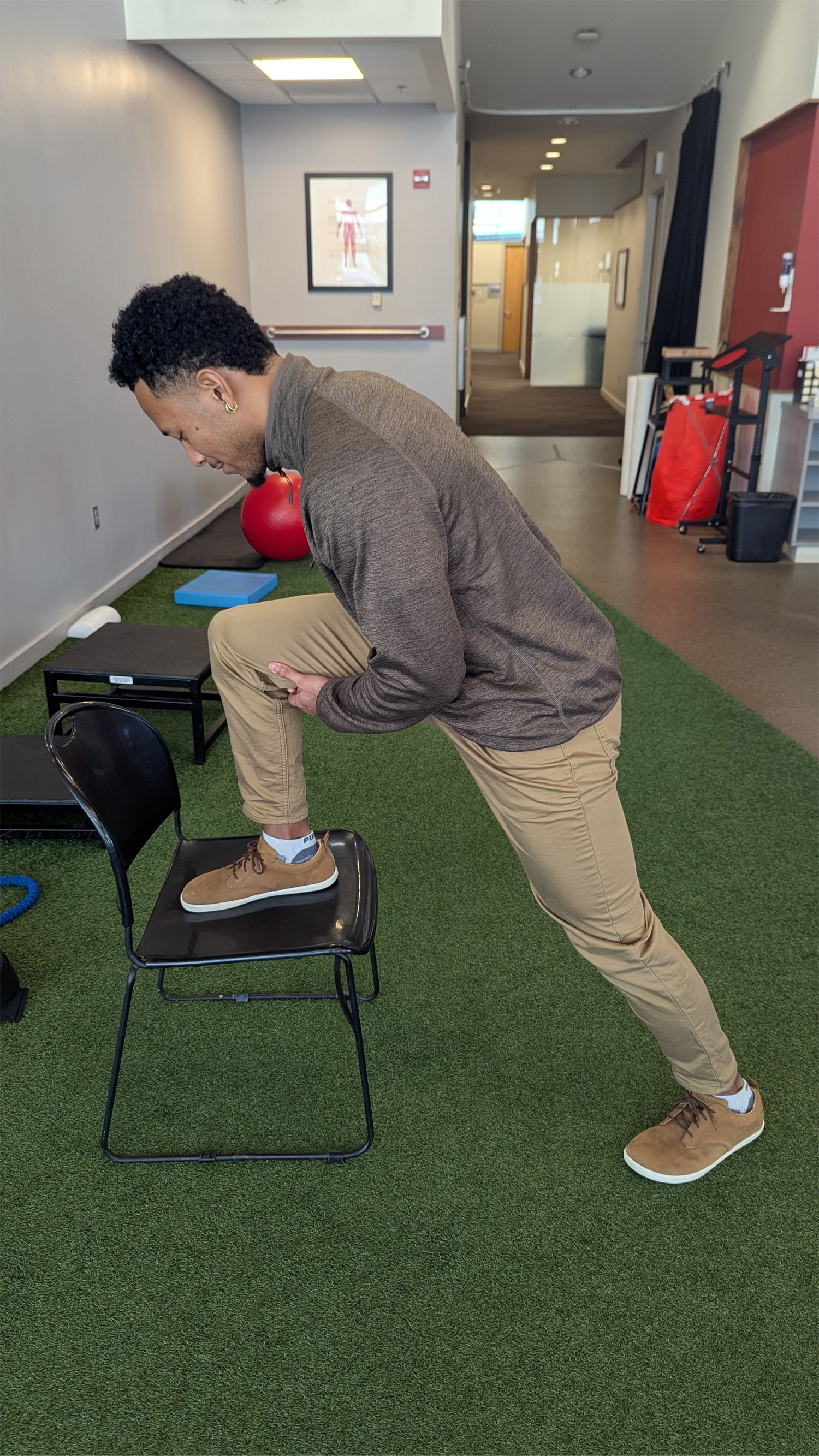
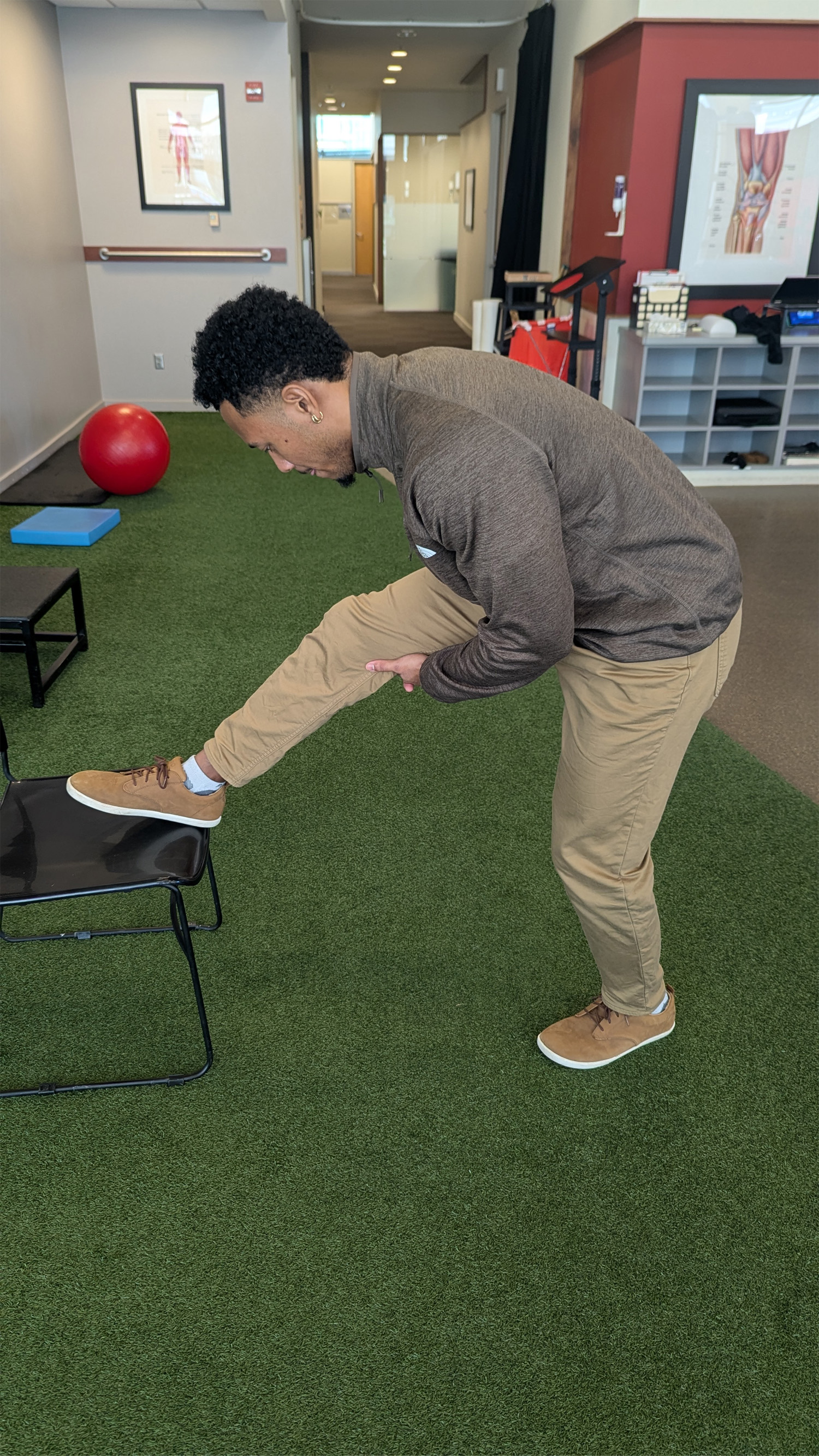
- Runner’s hamstring stretch (static stretch): Place one leg on a chair or platform with the knee bent. Bring the chest down toward the leg while keeping the knee bent. Then gently straighten the leg while keeping the chest down until a stretch is felt in the hamstring. Hold for 30 – 40 seconds and repeat 3 times.
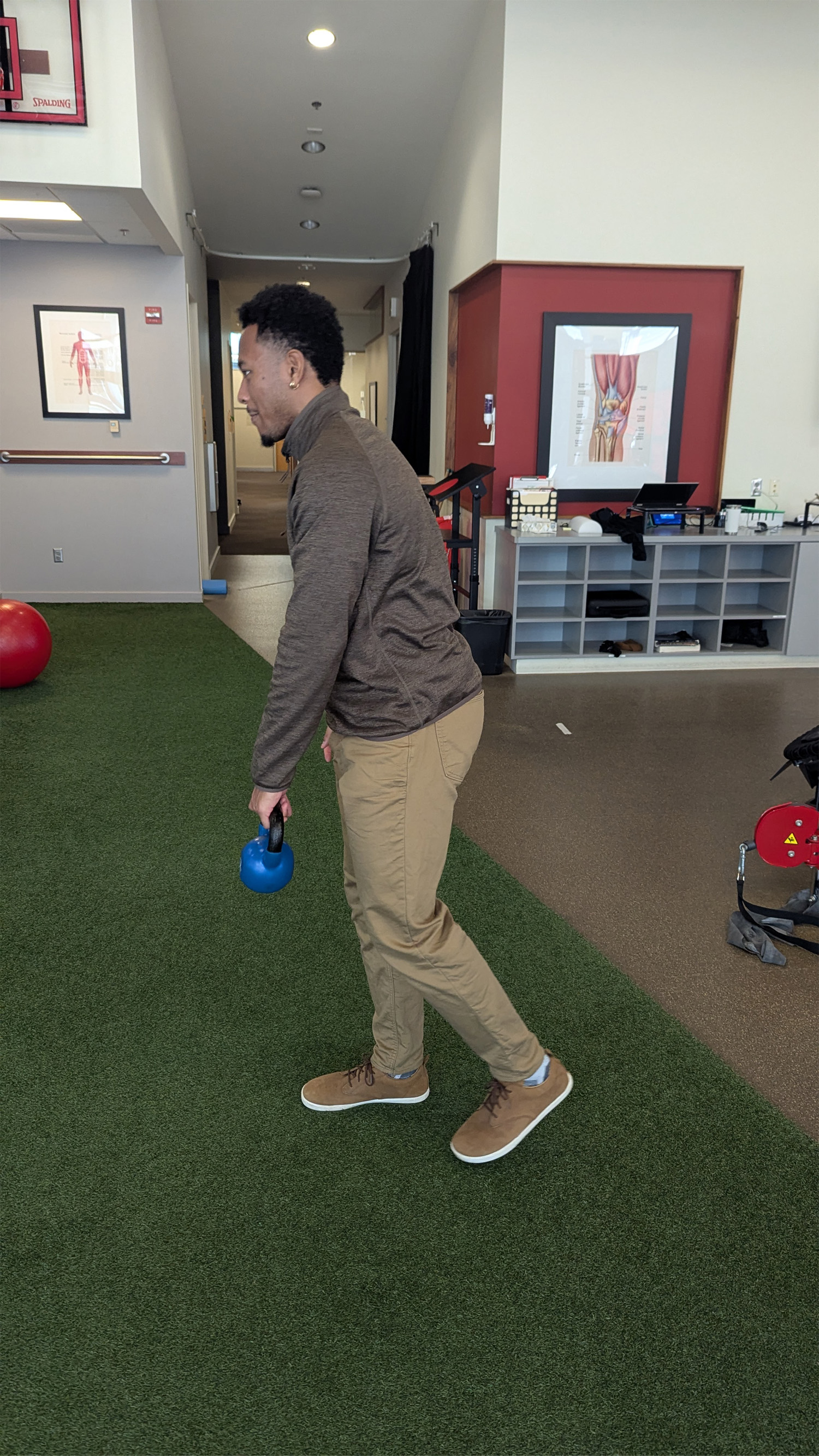
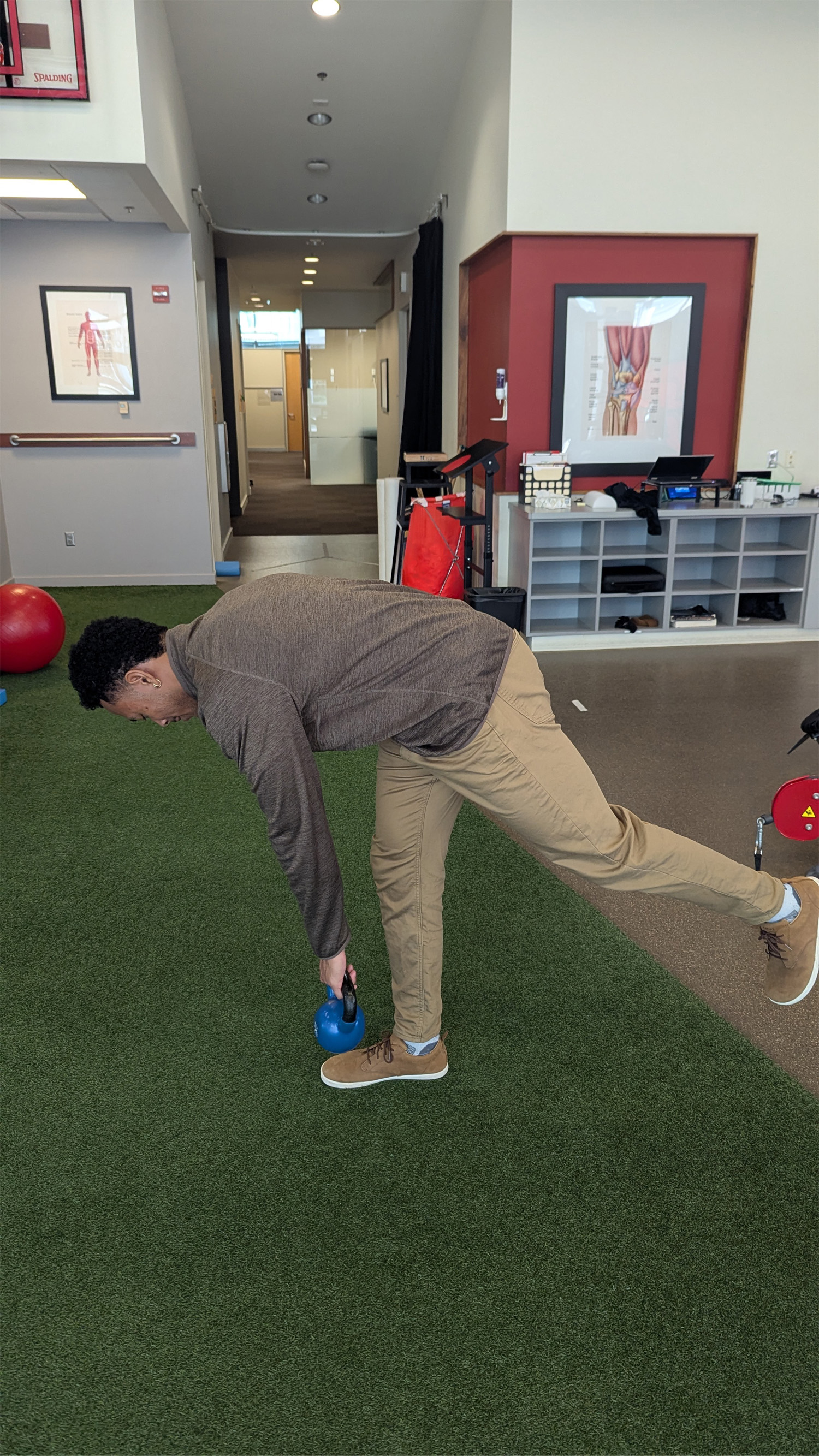
- Single-leg Romanian deadlift: Start in a single-leg balanced position. Push the hips back and hinge forward to reach toward the standing leg. Keep the hands close to the leg throughout the movement, avoiding reaching farther away than the toes. At the bottom of the movement, squeeze the glutes and pull the hips forward to return to the starting position. This exercise can be performed with or without weighted resistance.
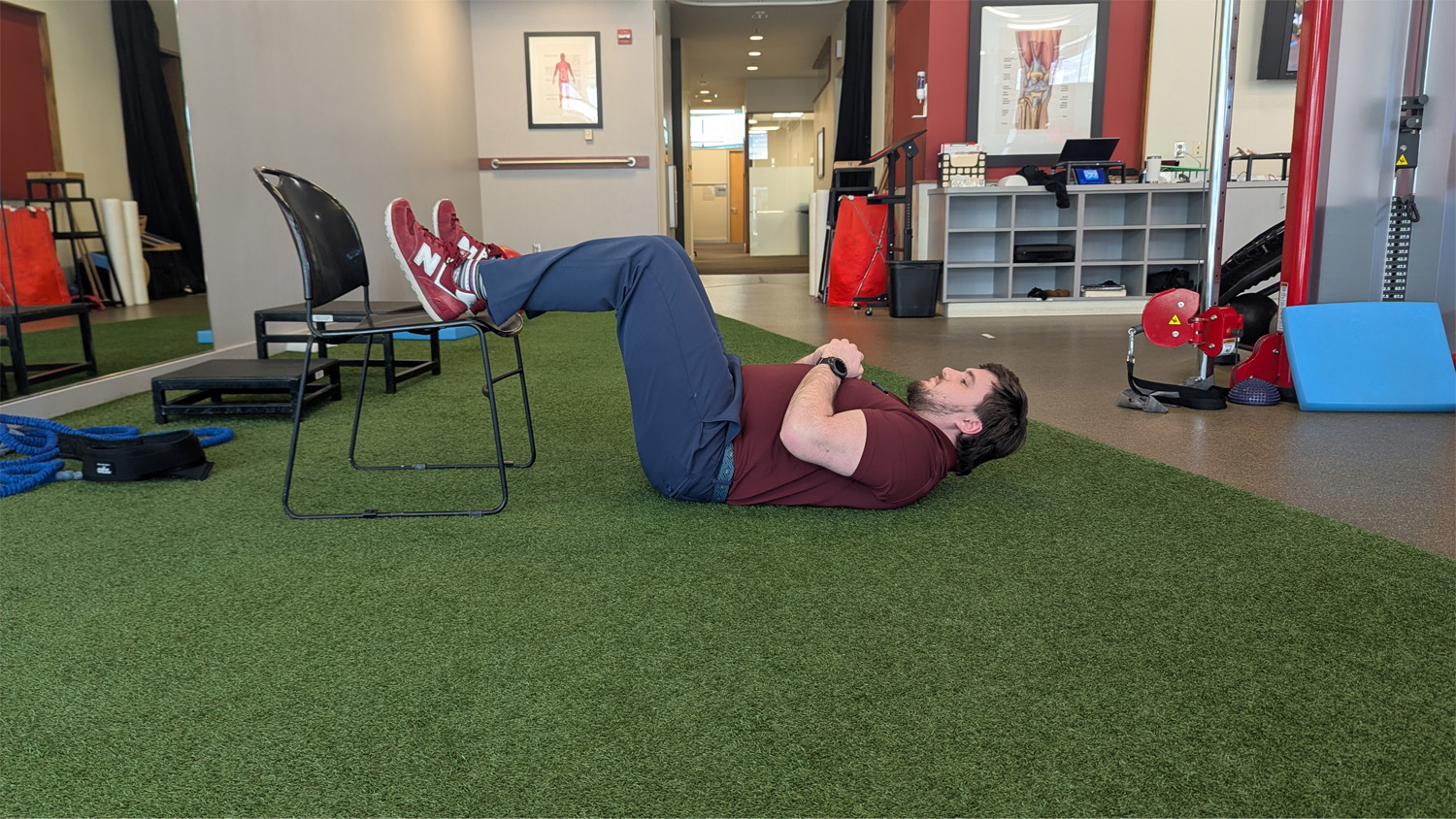
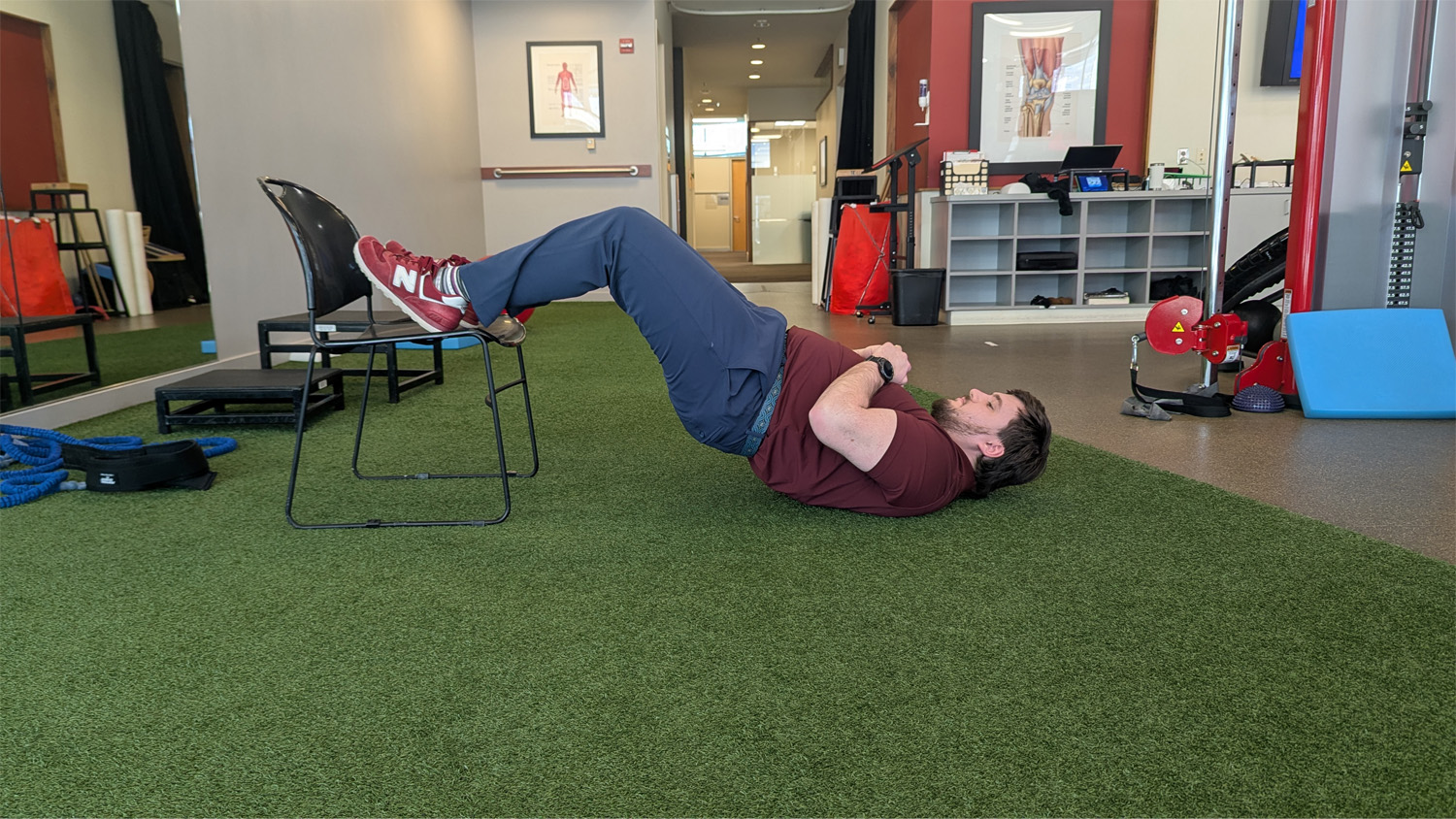
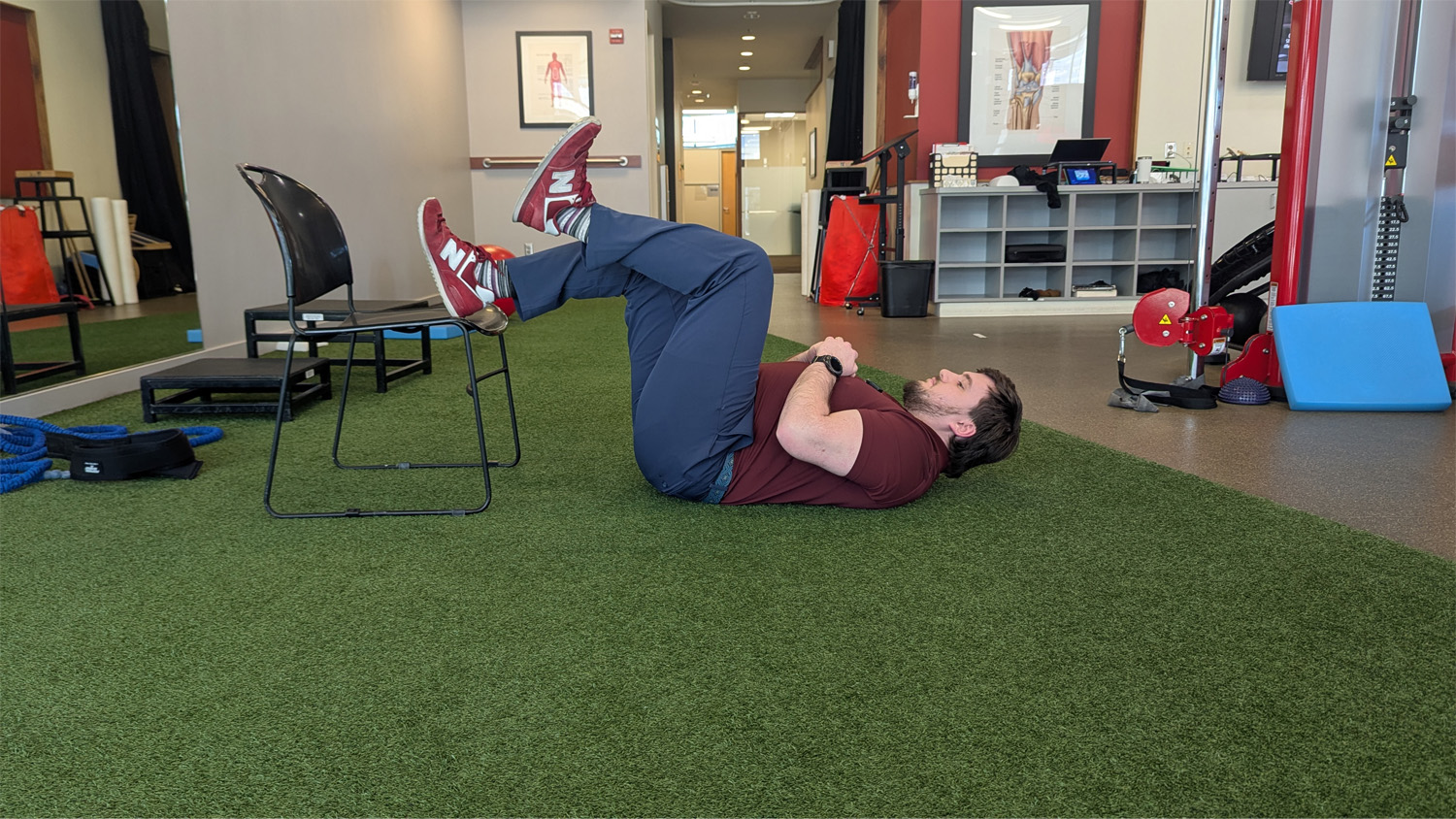
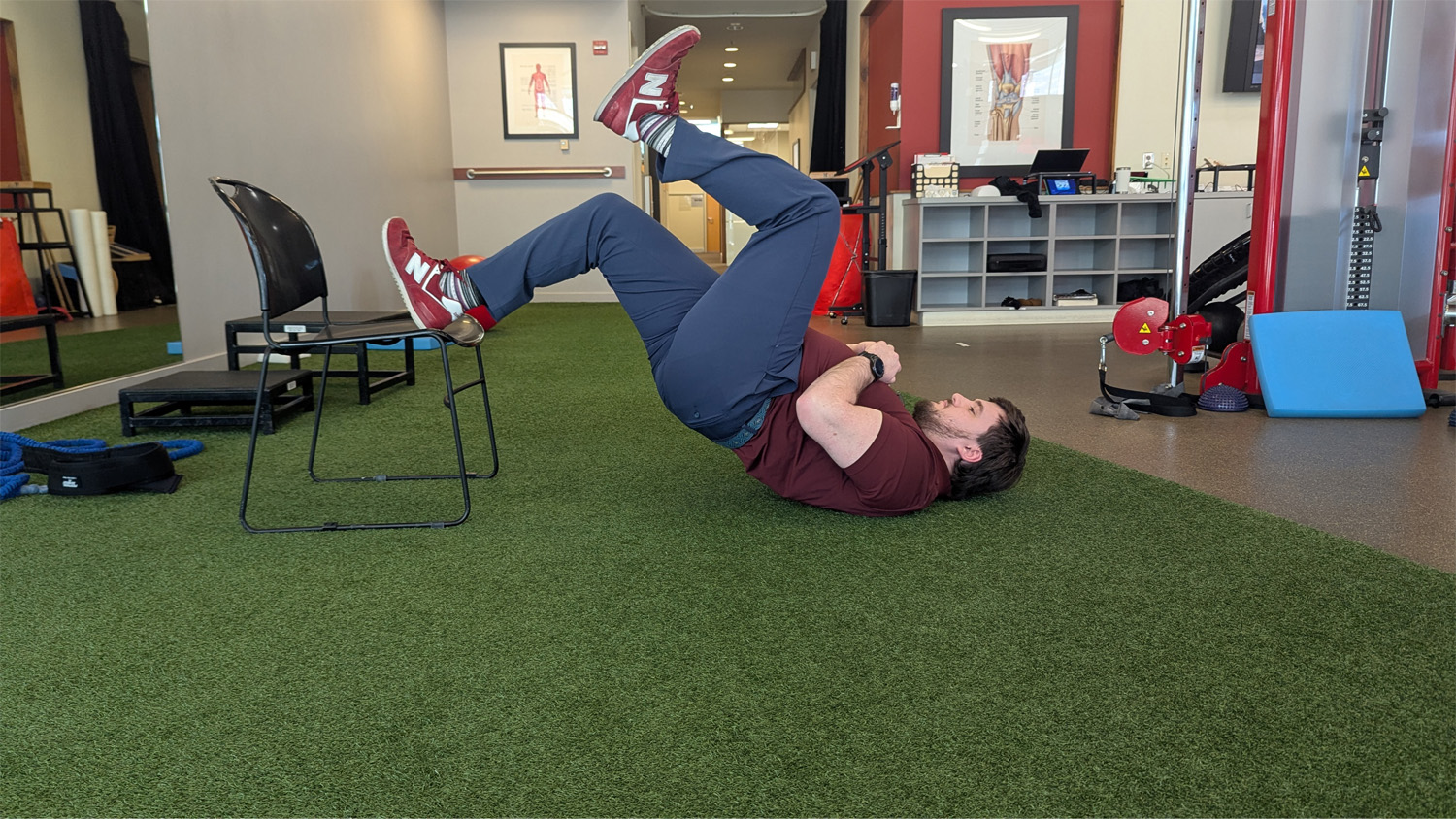
- Feet-elevated bridges (single-leg or double-leg): Lie on the back with the feet placed on a chair or ledge so the knees are bent to roughly 90°. Squeeze the glutes and hamstrings to lift the hips off the ground. Slowly lower back down to the starting position, taking longer to lower than to lift.
- Eccentric Nordic curls: Start in a tall kneeling position with a partner holding the ankles. Slowly lean forward while using the hamstrings to control the descent as much as possible. Keep the arms outstretched to catch the body at the bottom of the movement, then push back up to the starting position.
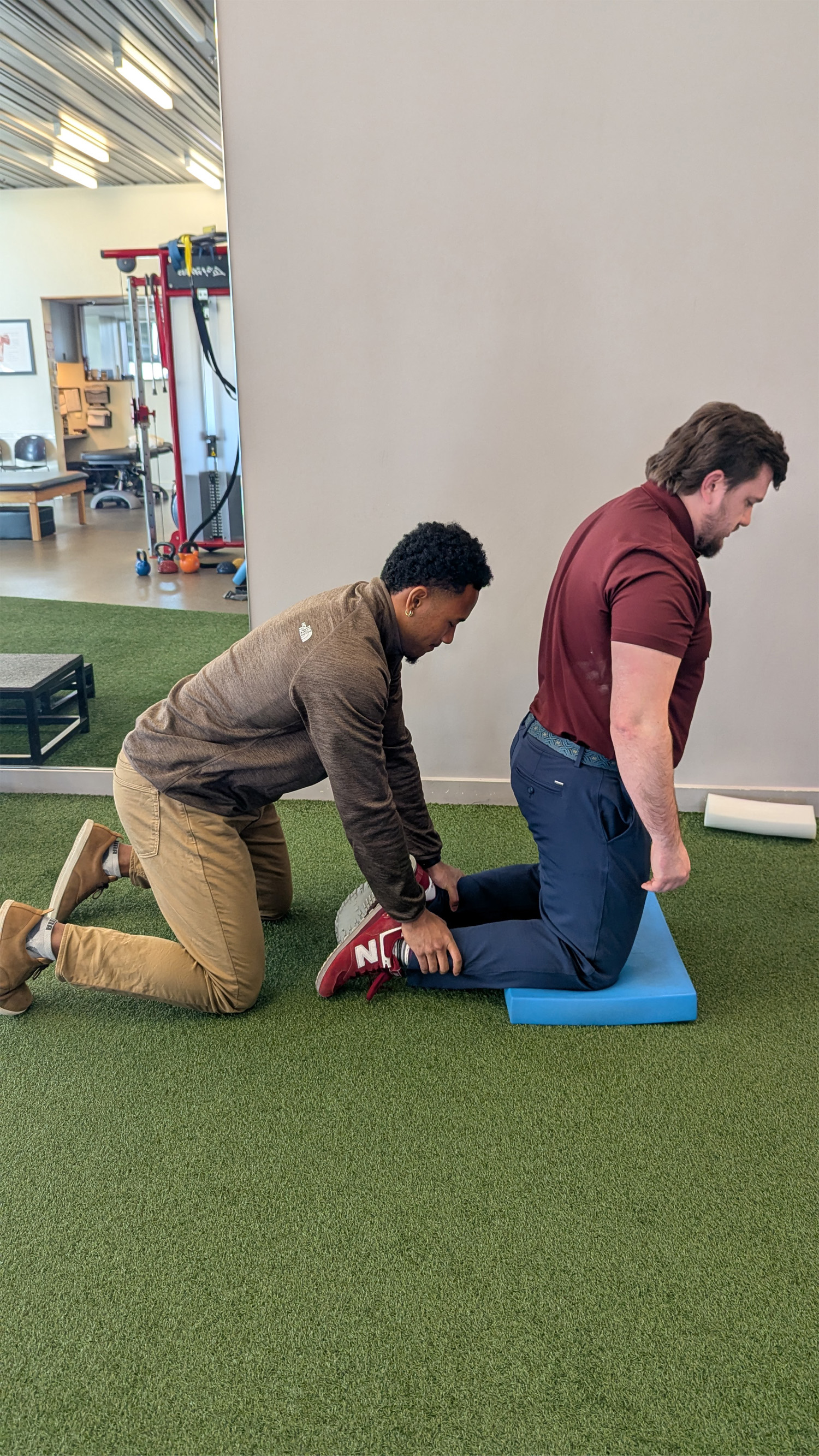
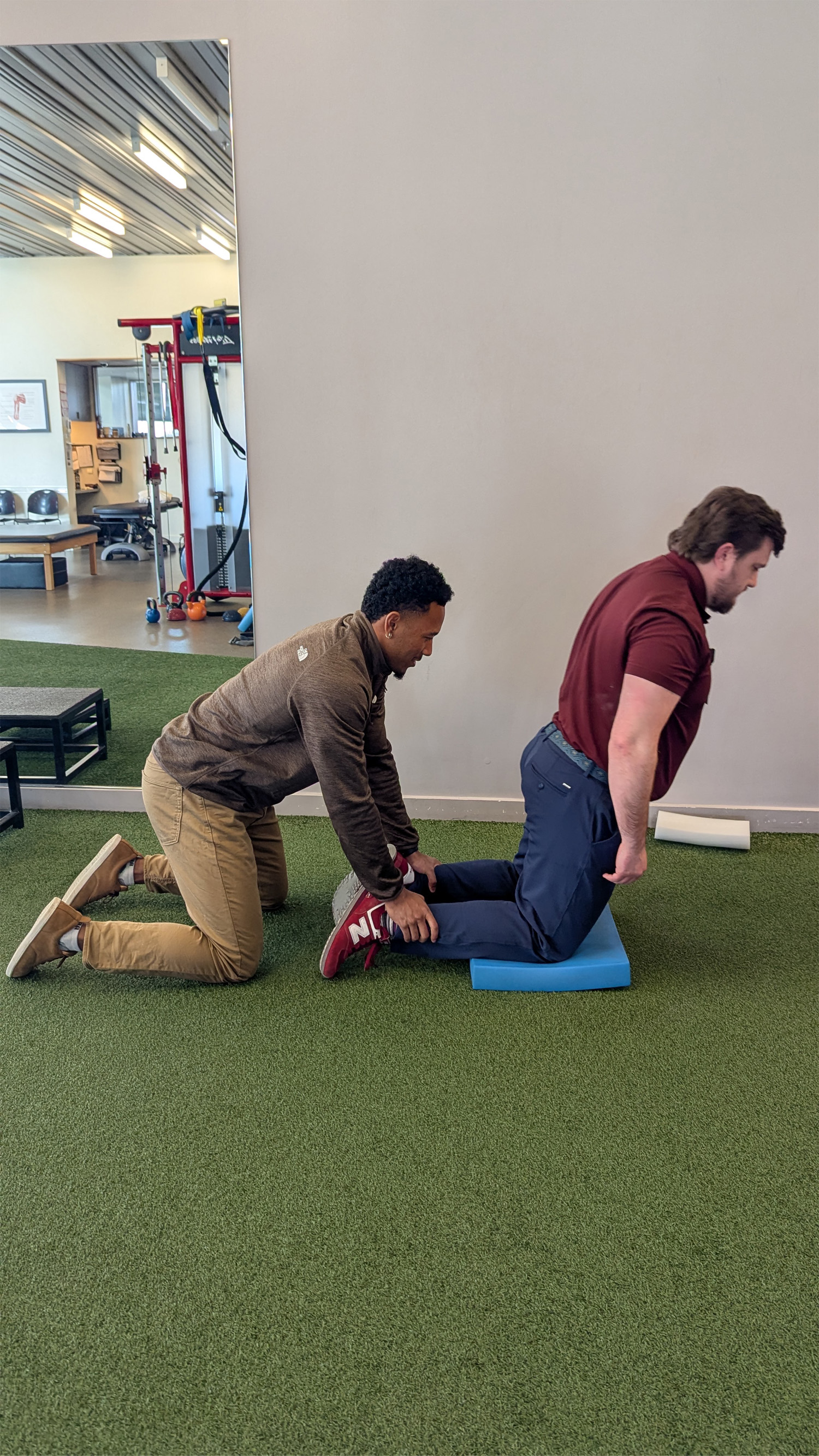
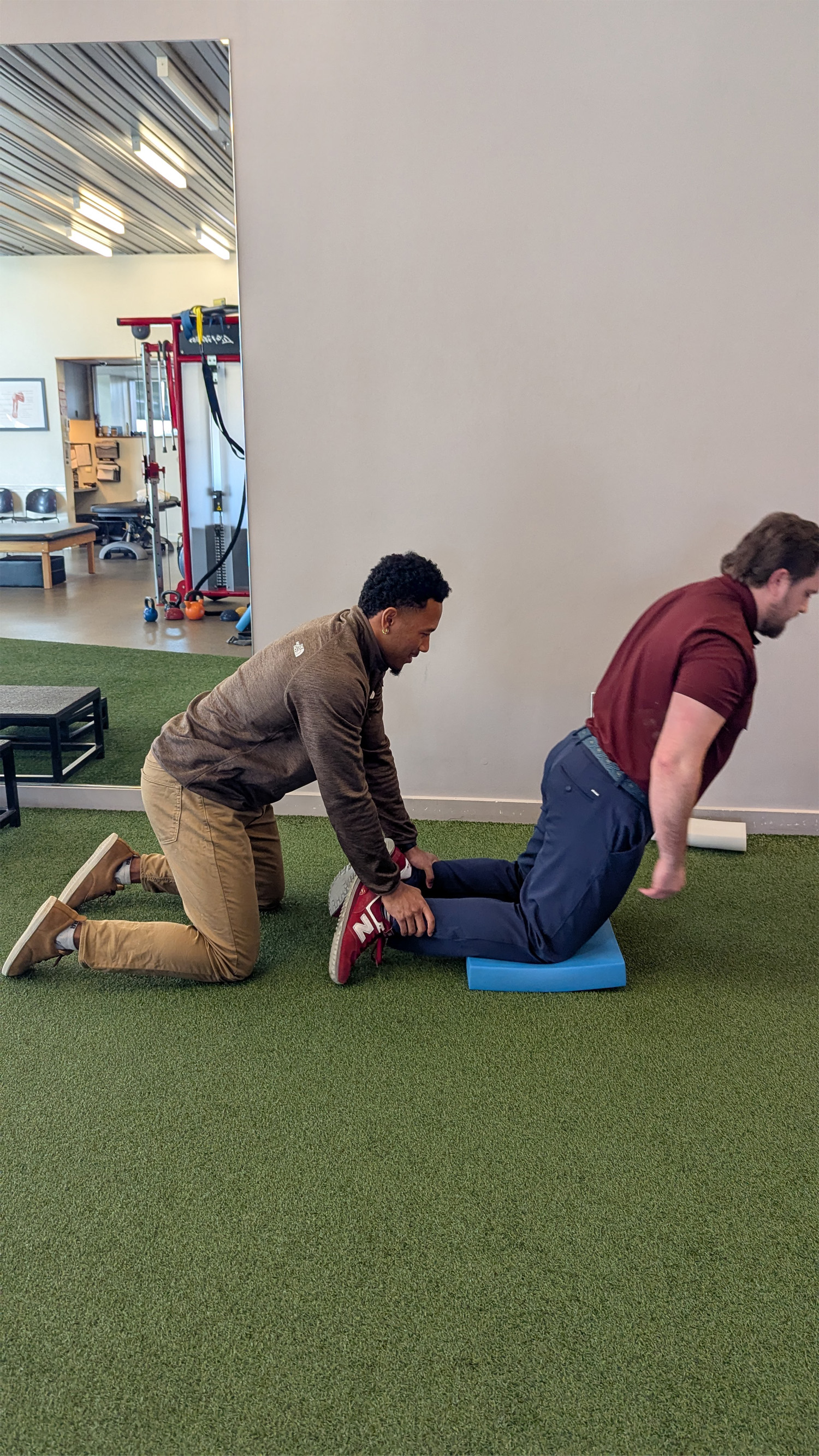
*This exercise is the most difficult and requires the most outside support, but its benefits are great enough to still be included here.
Treatment
Several treatment options exist for hamstring injuries but depend on the severity of the injury. The most severe injuries require evaluation and treatment by a specialist. However, less severe hamstring strains may be treated with rest, ice, stretching, and anti-inflammatory medications.
If you suspect a hamstring injury, our sports medicine specialists at Rebound Orthopedics & Neurosurgery are available to see your athlete. Please call 1-800-REBOUND or schedule an appointment online.